‘TABACCHI’
Duo Exhibition by: *Ali Kulunyar *Batu Tate
Curation & Text By *Konstantinos Th. Spyropoulos
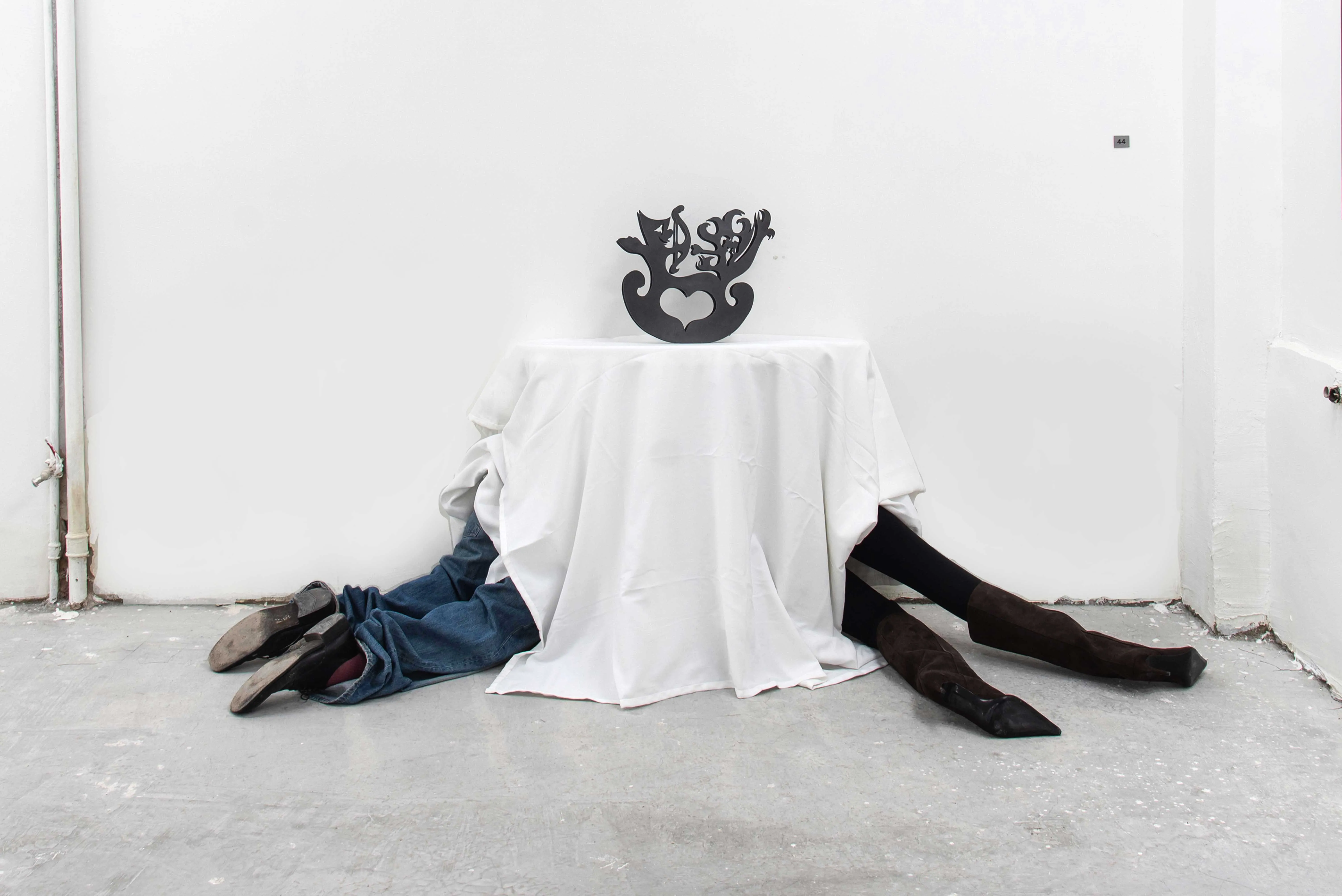
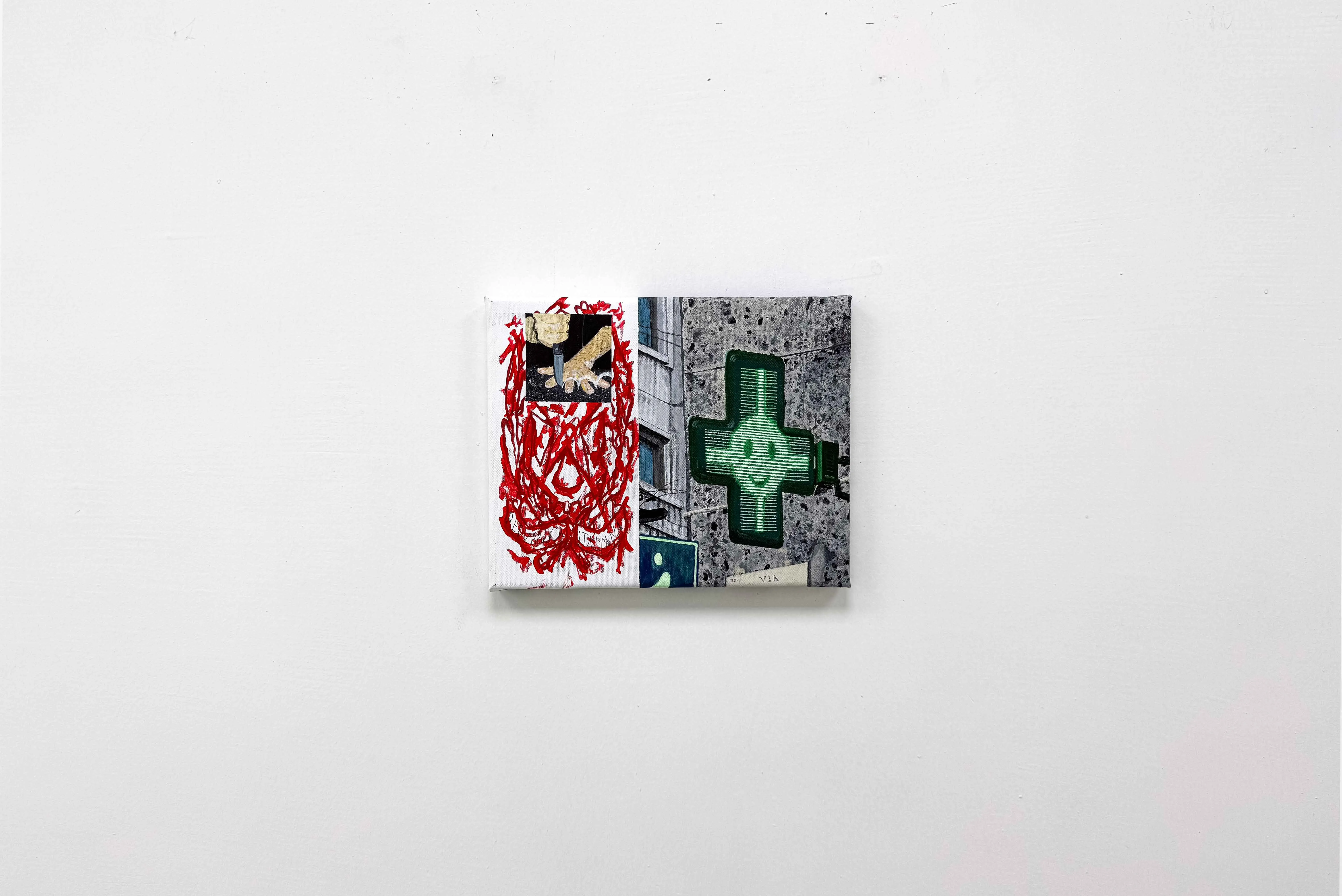
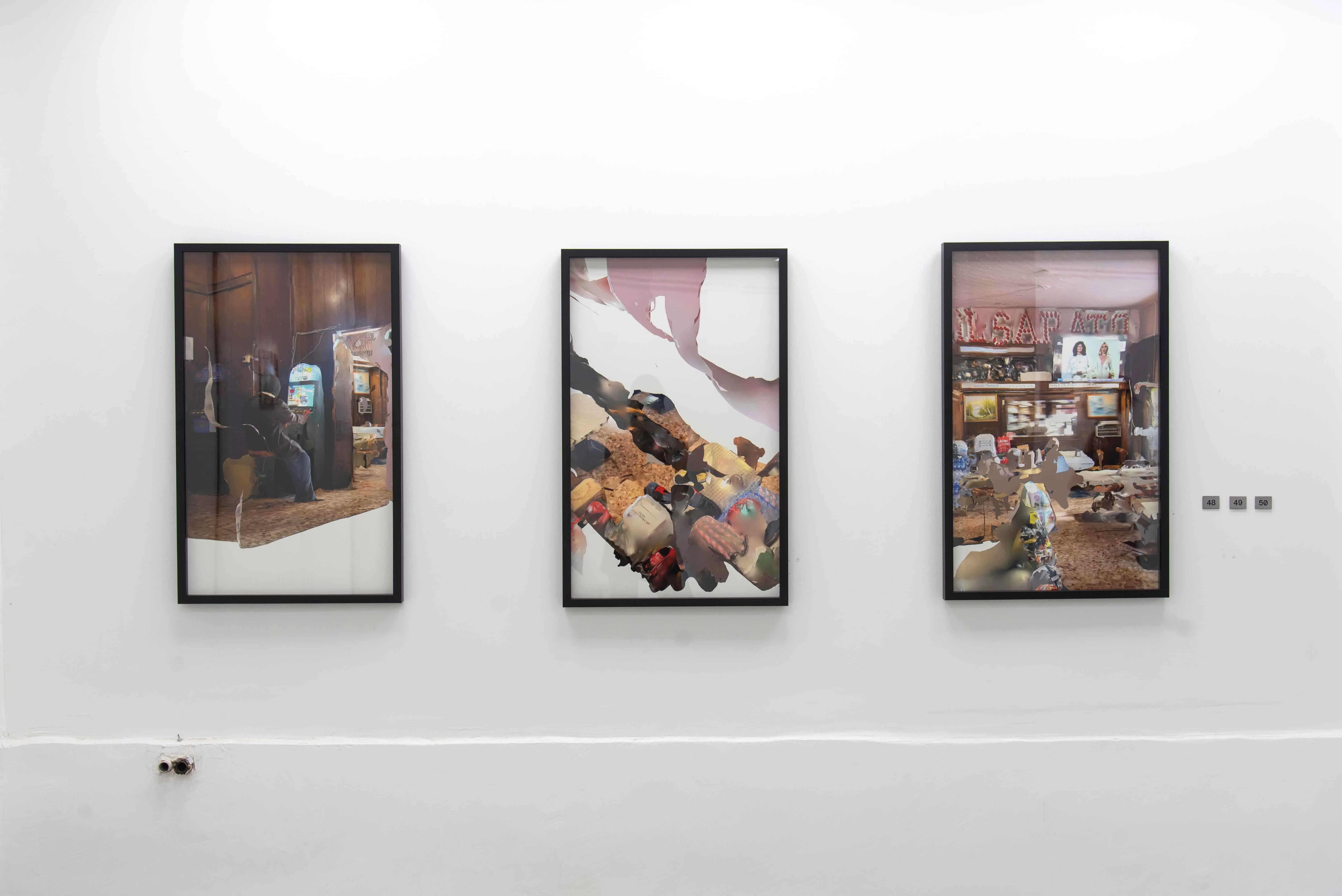
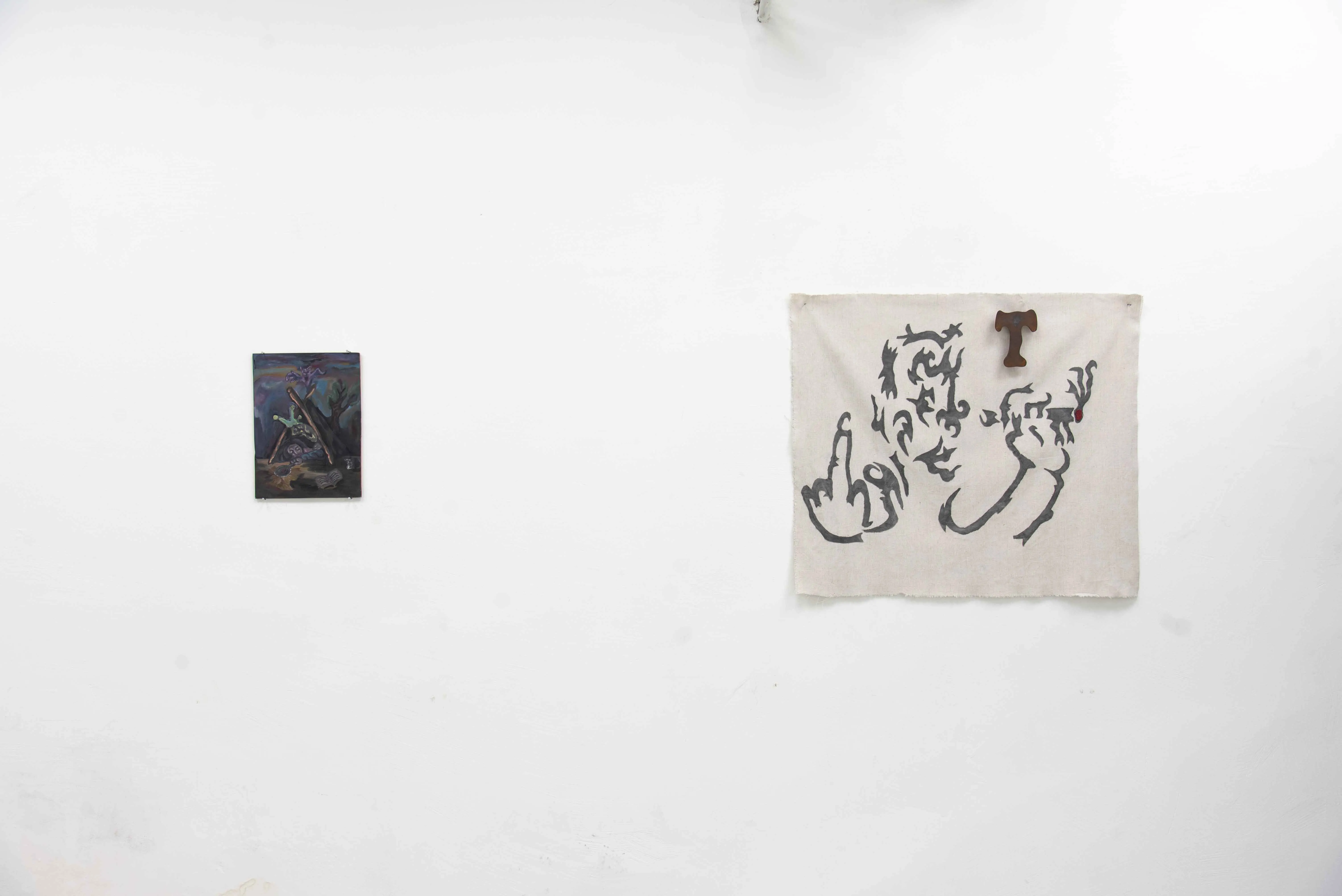
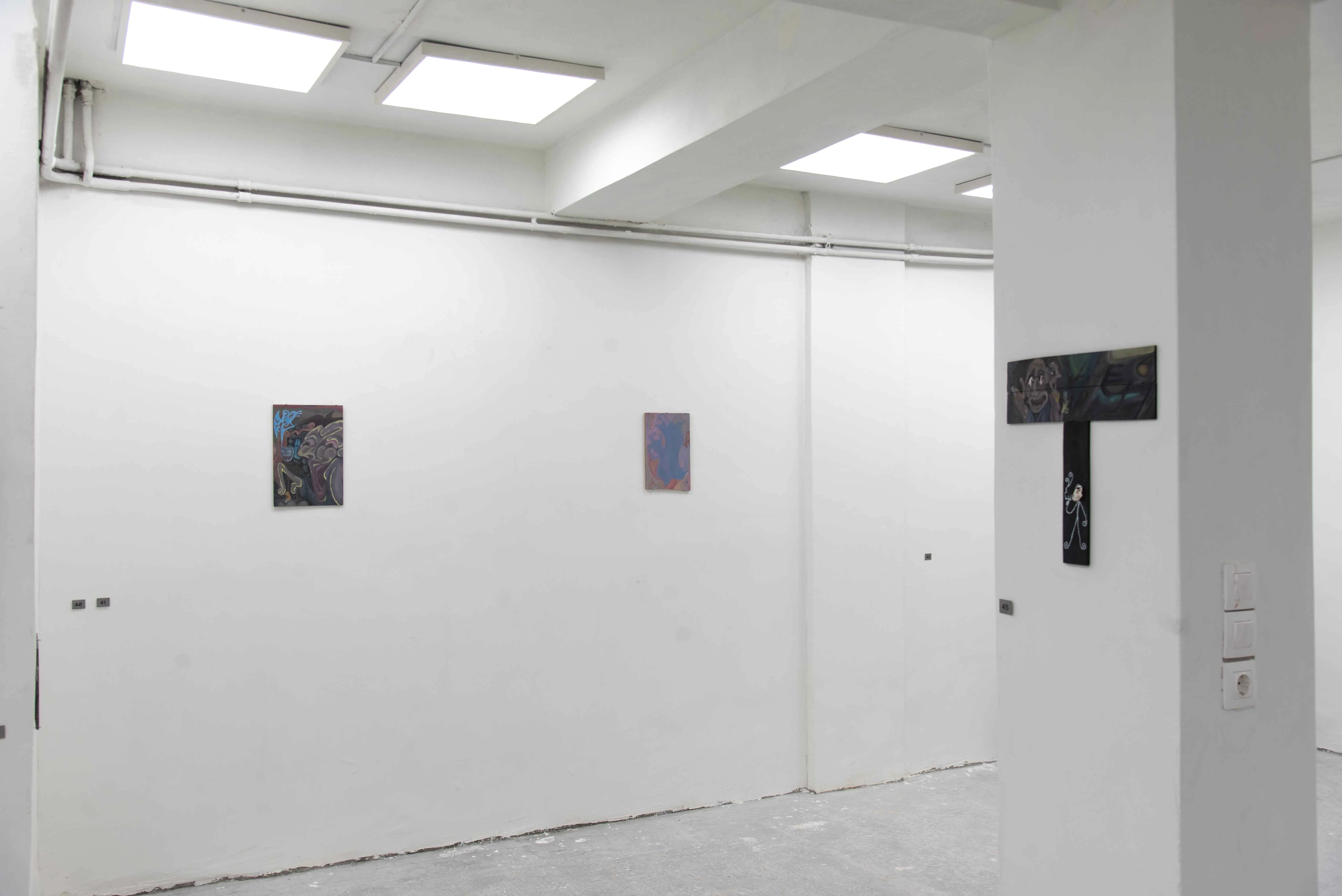
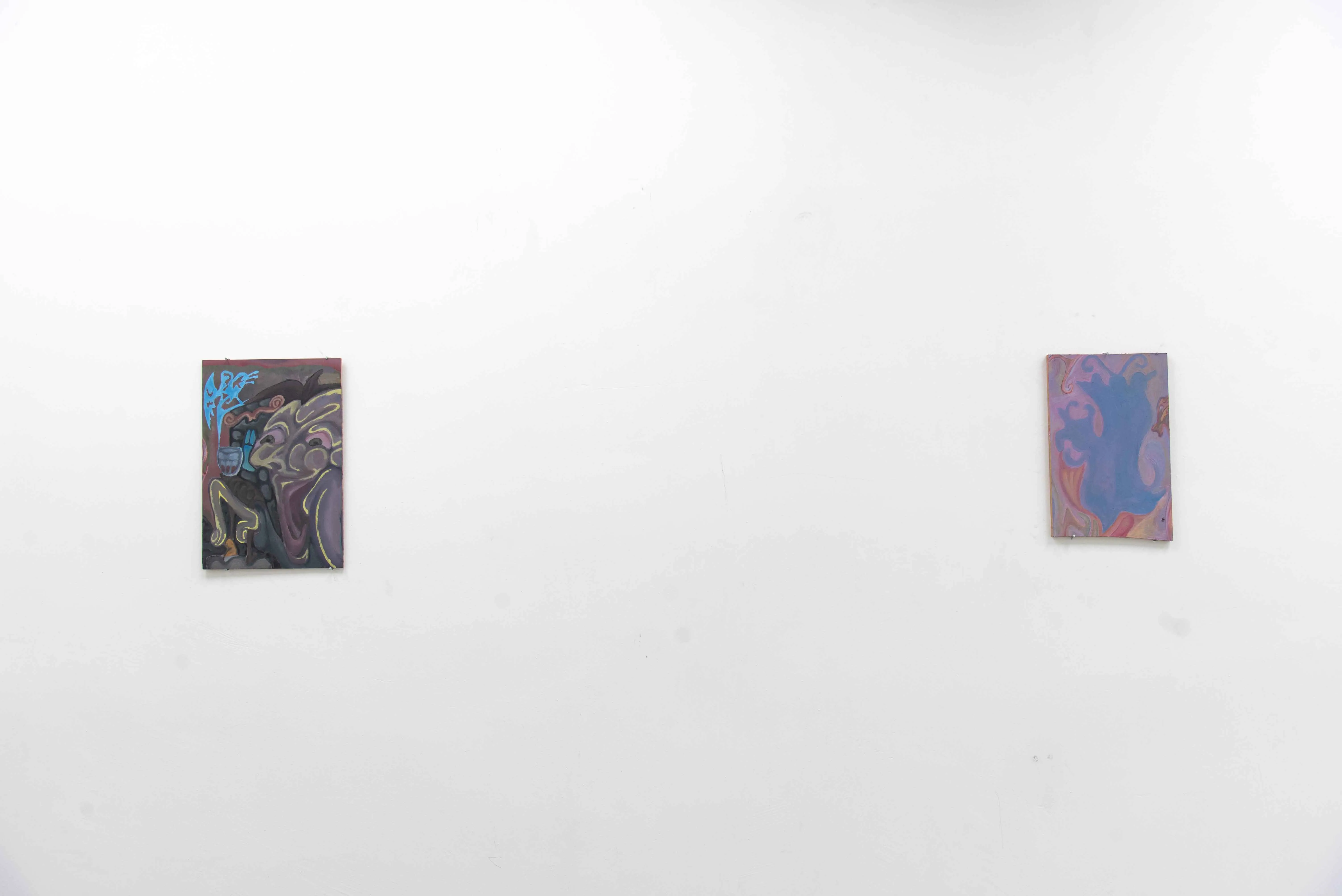
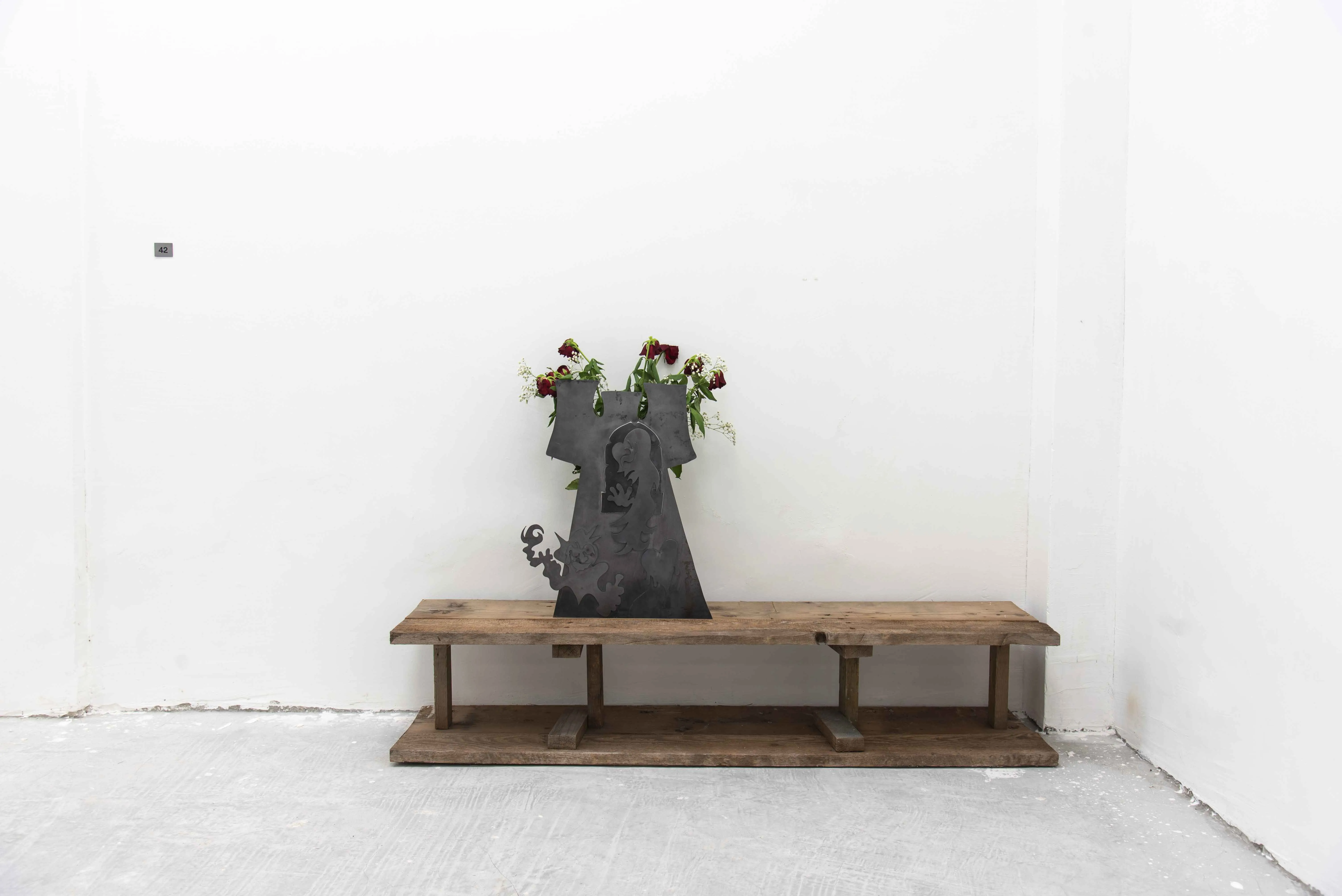
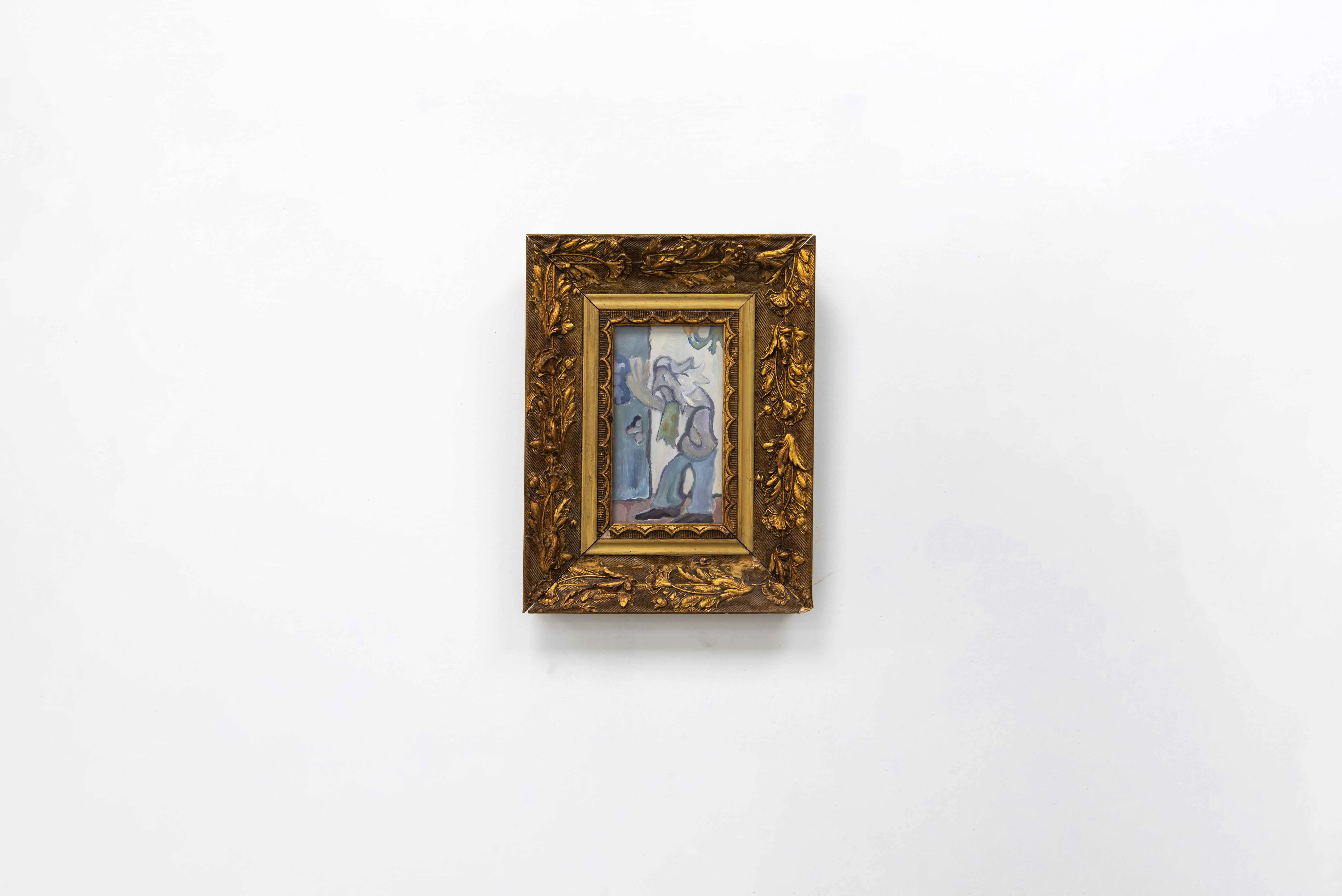
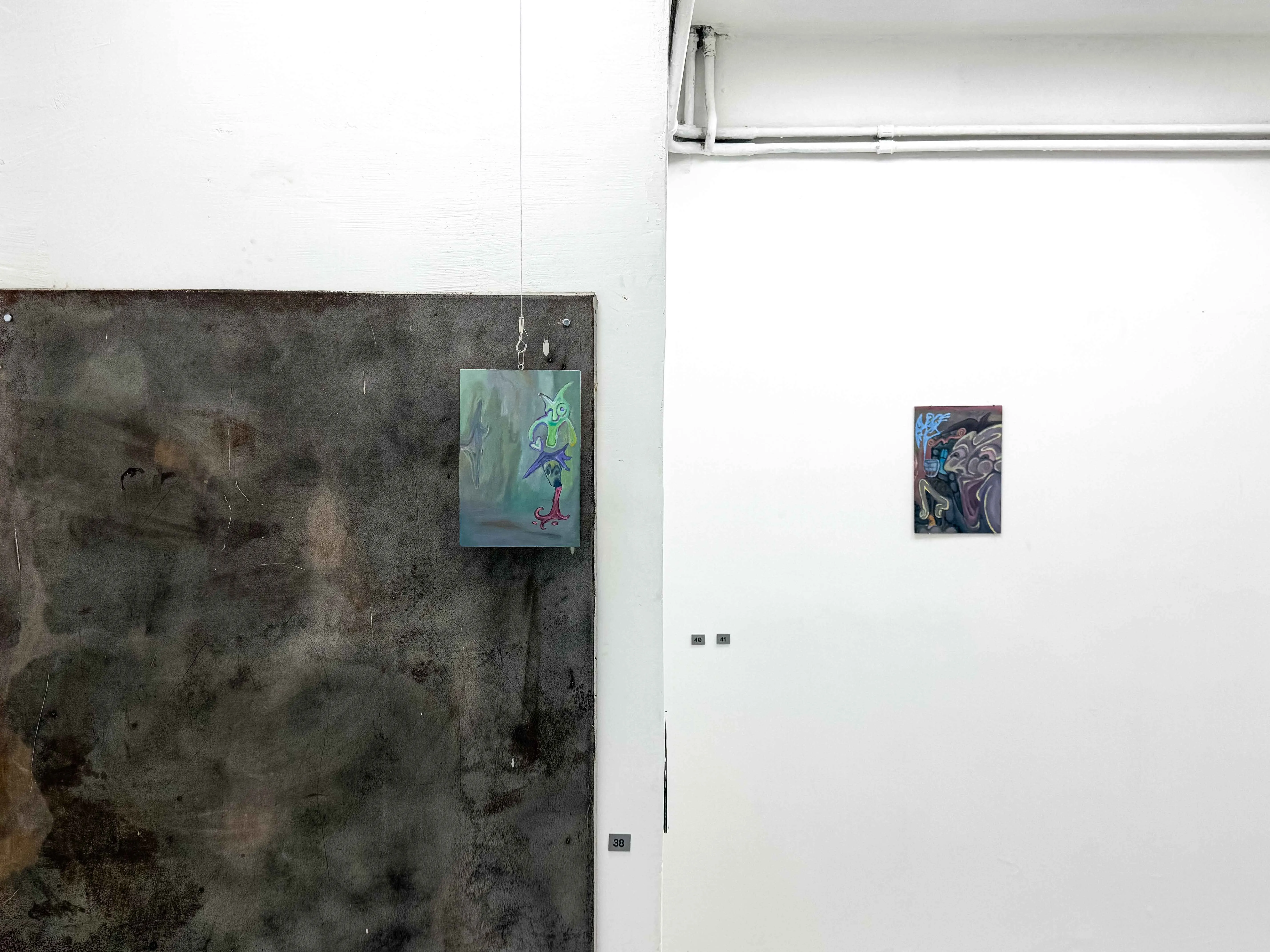
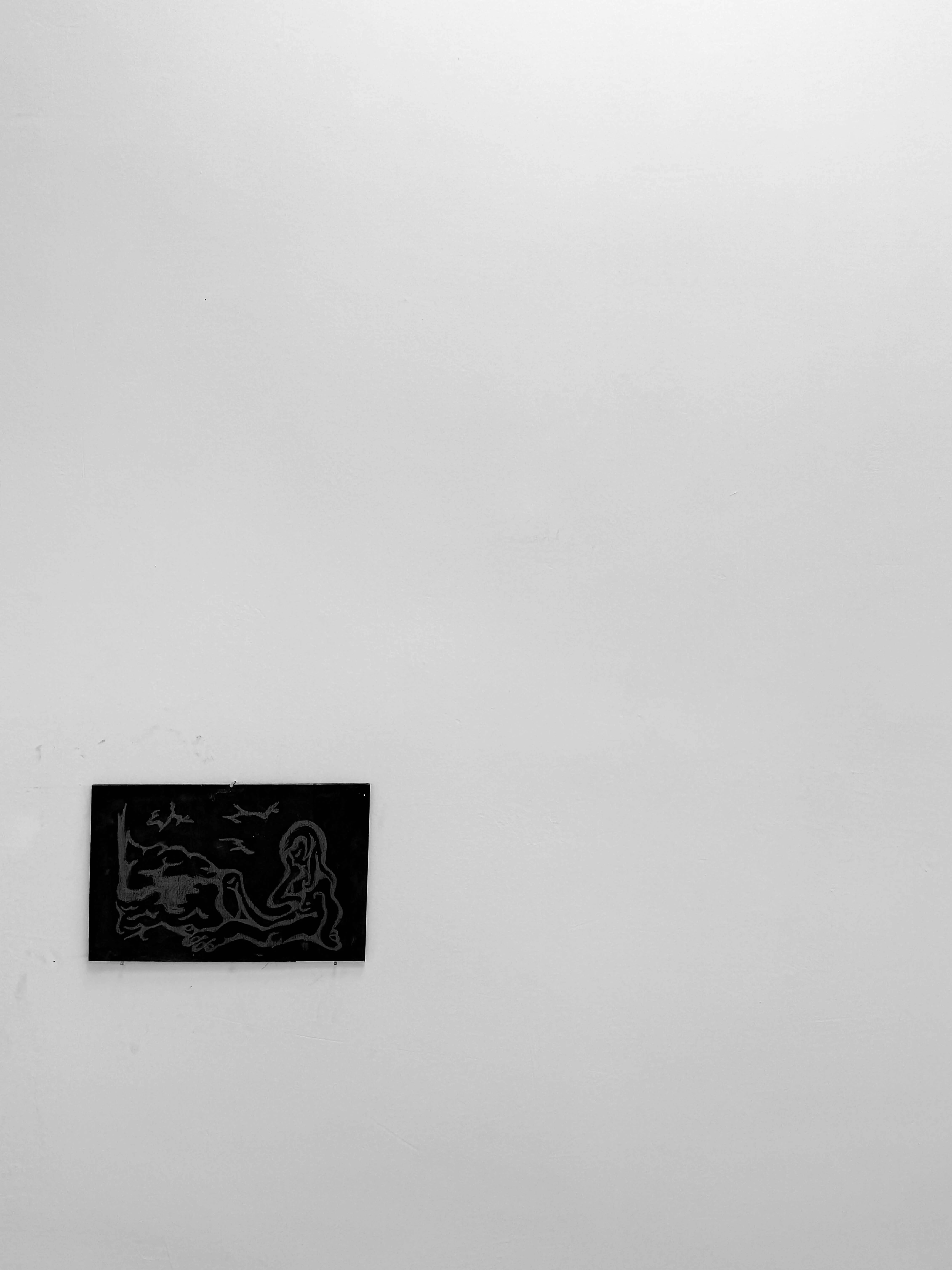
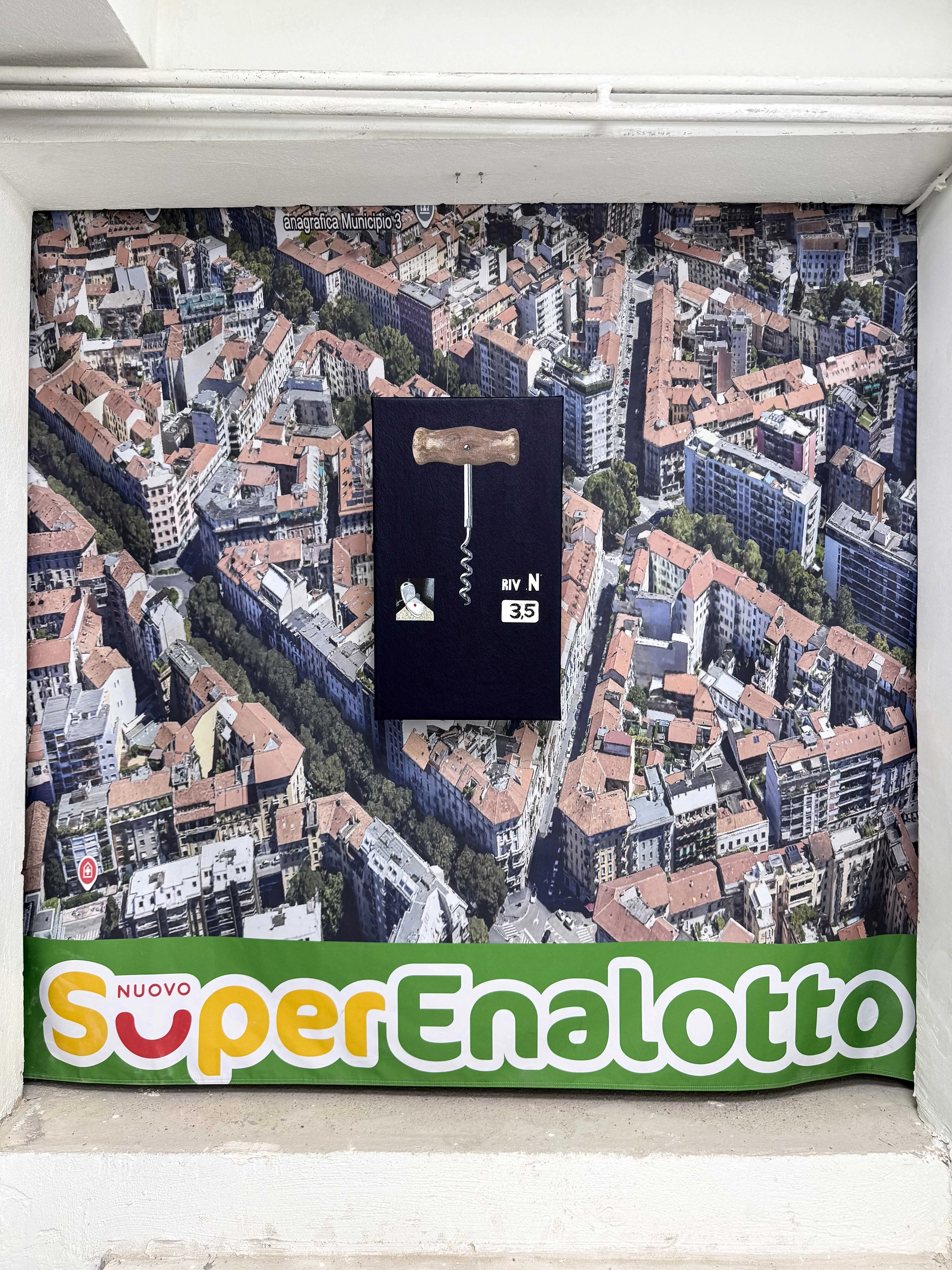
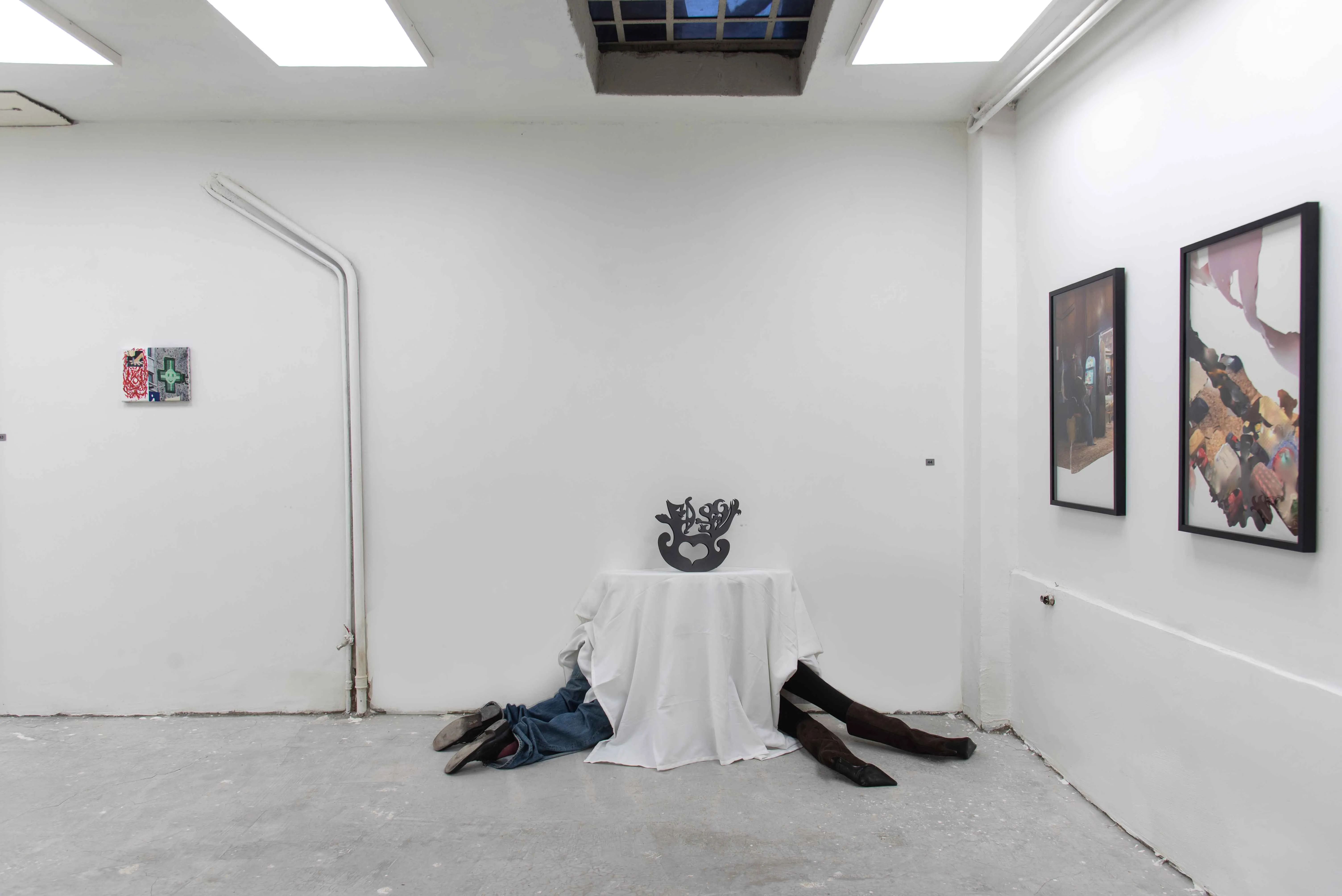
The joint exhibition by Ali Kulunyar and Batu Tate establishes a complex dialogical space around the unique phenomenon of the Italian tabacchi culture. This urban institution –referring to traditional Italian tobacco shops – transcends its basic commercial function to become a heterogeneous hub of daily life: an intermediary public space where administrative bureaucracy (such as issuing the official marca da bollo revenue stamp) organically coexists with a quick morning coffee, gambling machines, bill payments, and fleeting sociability. This multidimensional microcosm serves as the shared conceptual framework of the exhibition. However, the two artists approach this meeting point through distinct, yet converging, aesthetic strategies. For Kulunyar, the tabacchi represents the organic continuation of an experiential apprenticeship that began in the Turkish meyhane - the traditional coffeehouses and taverns of his childhood in Ankara. His practice is grounded in slow, meditative observation and on-site graphic documentation. By positioning himself in the role of an eyewitness, the artist transforms the state of waiting and inertia into a creative tool. In his works, the act of drawing functions as a mechanism to preserve collective memory against the rapid disappearance of neighborhood culture. Realistic yet deeply confessional, his draftsmanship captures the human presence at its most authentic, unpretentious moment, transforming a spontaneous urban episode into a visual ritual of intimacy. Conversely, Batu Tate does not approach the tabacchi through its visible manifestation, but by posing a critical question of abstraction: how do we reconstruct the experience of a space without using its primary symbol? Tate’s work functions as a fragmented reconstruction of memory. Through the use of digital Lidar scans – a 3D scanning technology and photogrammetry that converts photographs into three-dimensional digital meshes – the artist deconstructs our traditional perception of space. Influenced by the movement of bodies during the scanning process, the Lidar scans transform physical reality into a distorted, grotesque, and fluid landscape of pixels. The result evokes the elusive way the human brain recalls spatial memories, where bodies leave behind mere traces of digital matter. Concurrently, in his video work, placing a masked figure in public spaces alongside the subsequent digital collage processing of the material introduces elements of uncanny disorientation and associative disruption, inviting the viewer to fill in the narrative gaps. Formalistically, the exhibition is constructed upon the contrast between Ali’s direct, organic line and Batu’s technologically mediated, algorithmic volumes. The former’s palette – based on earthy, graphic tones and gestural qualities– engages with the transparency of paper and the immediate recording of the human form. By contrast, the latter’s visual language is dominated by sharp digital tensions, decomposing meshes, and a fluid spatial osmosis where the boundaries between the abstract and the representational are dissolved. Ultimately, the coexistence of the two artists transforms the exhibition into a multilayered visual essay on memory, observation, and the urban experience. Between Ali Kulunyar’s graphic vigilance, which salvages human contact, and Batu Tate’s digital distortion, which challenges our perceptual certainty, the tabacchi is revealed not merely as a physical space, but as a living metaphor for the invisible threads that connect private experience to the public sphere.